Decision guides beat pep talks for nail biting, because the best routine depends on how you bite: the edge-hunter who starts with one rough corner, the stress biter whose hands are fine until deadline week, or the lifelong biter whose nails and cuticles both take damage. Match the approach to the pattern and the habit gets much easier to interrupt. This is the Shelby decision version, with honest limits on what polish and appointments can and cannot do.
Choose by your pattern
| Your pattern | Start with | Why it fits | Upgrade if needed |
|---|---|---|---|
| You bite one rough edge, then the nail is gone | Short classic manicures every two weeks plus a file kept where you sit | Your trigger is texture. Remove every rough edge professionally and file snags the day they appear | Bitter clear polish as a backup alarm |
| You bite under stress, in bursts | Standing appointments through your known hard seasons | The calendar protects you when motivation is lowest, which is exactly when bursts happen | A short, hard overlay for the worst stretch, giving teeth nothing to grip |
| You pick and tear cuticles more than nails | Cuticle-focused care and nightly oil | Lifted, dry cuticle skin is the target; smooth, hydrated cuticles remove the handhold | Carry a cuticle oil pen; reapply instead of picking |
| Your nails are very short and sore | A gentle cleanup only, no length goals yet | The first job is healing skin and evening edges, not appearance | Review after a month; add bitter polish once skin has calmed |
| You stopped before and relapsed | Restart the exact routine that worked, booked in advance | Relapse usually means the routine lapsed, not that it failed | Shorten intervals during the first two months back |
| A child or teen is the biter | Simple short manicures and bitter polish, kept low-pressure | Shame backfires; tidy nails and a taste deterrent work quietly | Talk to a pediatrician if skin is damaged or anxiety seems to drive it |
Why each tool in the table works
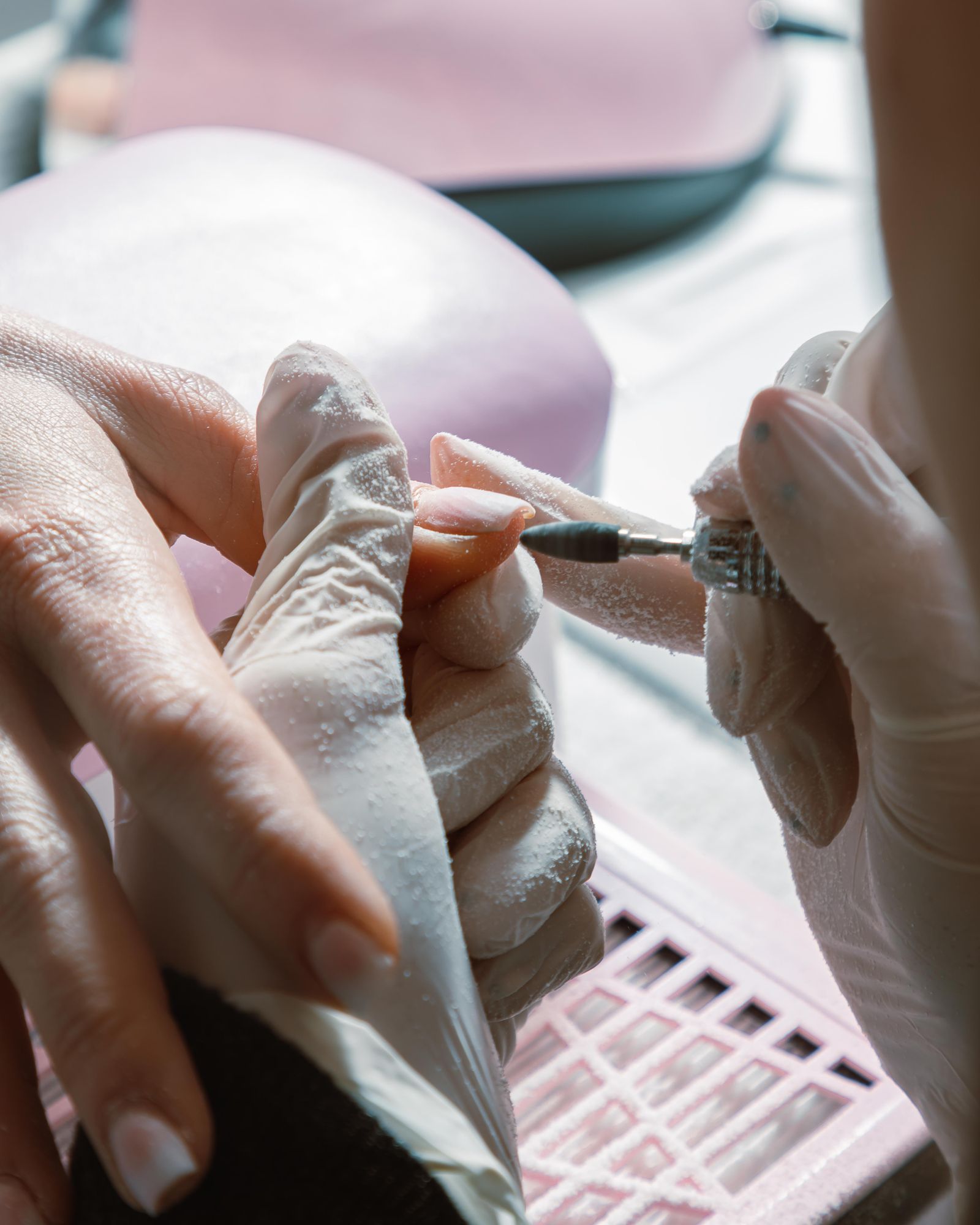
Short nails remove opportunity: there is physically less to bite, and a smooth filed edge gives the habit no starting notch. Bitter polish works as an alarm, not a punishment; it makes an unconscious habit conscious at the first taste. A protective overlay changes the physics, since a hard, rounded surface cannot be gripped or peeled the way a bare, thin nail can. Standing appointments outsource the discipline. At M.C. Nails, telling the technician you are a biter gets you the short, smooth, no-nonsense version of the service and none of the commentary you may be bracing for.
What progress actually looks like
Expect uneven progress. Two good weeks, one bad day during a long drive, then back on track is the normal shape of quitting, and the nail math is on your side: at roughly three millimeters of growth a month, a month of mostly-not-biting produces visibly longer, healthier nails, which is itself reinforcing. Judge the routine by the trend across a season, not by whether a single stressful Thursday went perfectly. If the trend is flat after a few months of honestly kept appointments, that is information too, and a conversation with a doctor about habit support is a reasonable next step rather than a defeat.
The home half of every option
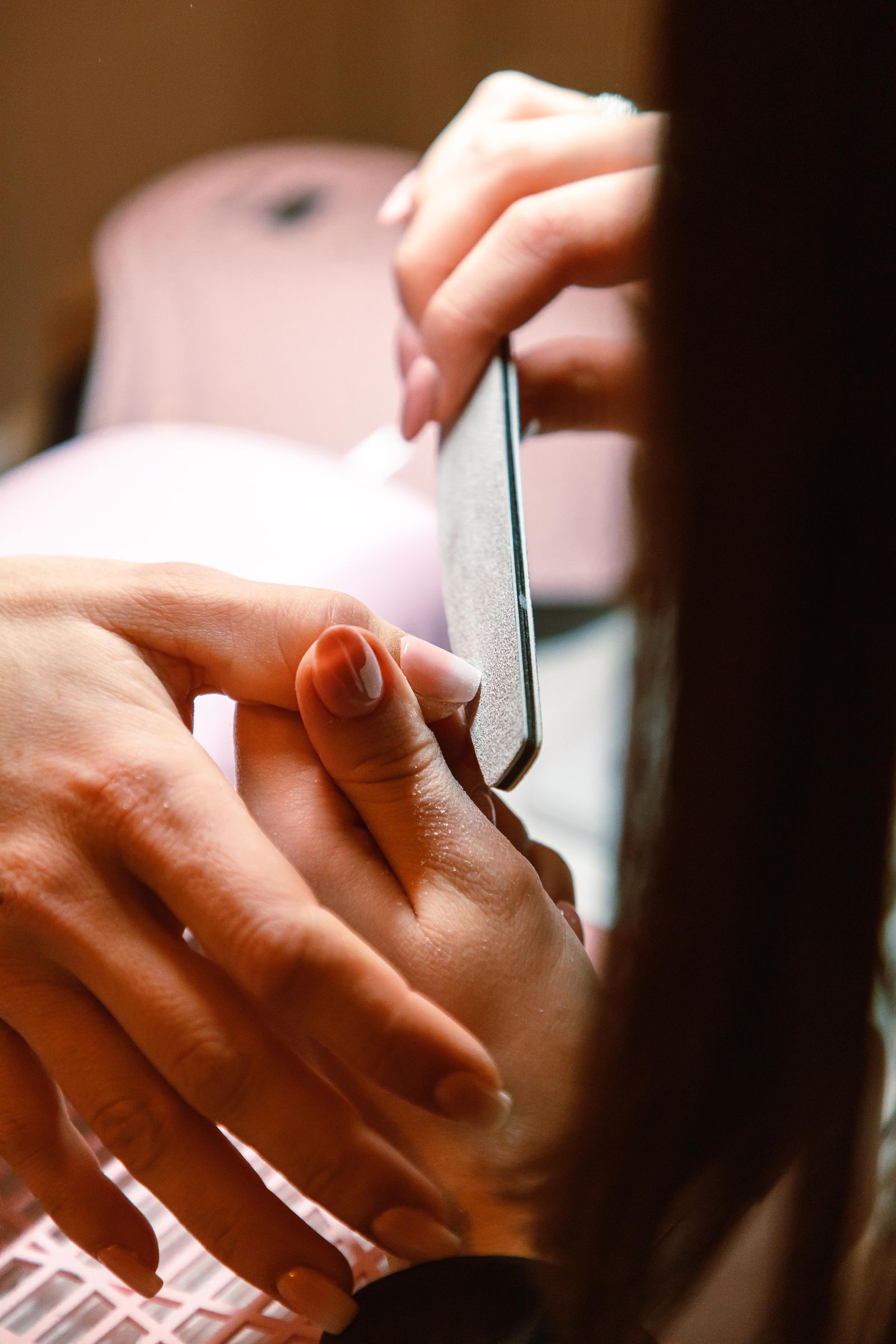
Whichever row you picked, the home kit is the same and small: a fine file in the places you bite, cuticle oil used nightly (winter in the Piedmont, with its dry indoor air, is when cuticles lift and beg to be torn), and a rule that snags get filed within the day. Ten seconds with a file at the first rough edge prevents the twenty-minute spiral that follows ignoring it. That, more than any single product, is the habit loop broken in practice.
Keeping score without the shame
If you track anything, track the streak loosely: weeks since the last real damage, not days since a single nibble. A loose score forgives the bad Thursday and keeps the trend visible, and the trend is what changes hands. Some people mark appointment dates on a calendar and simply watch the gaps between damage reports widen. When the gaps reach a full appointment cycle, the routine is doing its job.
Common questions
Is it embarrassing to tell a salon I bite my nails?
It should not be, and at any decent salon it is not. Technicians see bitten nails daily; naming it just gets you the right service: short, smooth, and protective.
Can I get gel or enhancements on bitten nails?
Often a short overlay works well once the skin is not broken or infected. Very short nails may need to grow slightly first so product has something to hold.
When should biting be a medical conversation instead?
When skin is frequently infected or bleeding, when nails are damaged down to the bed, or when the habit feels compulsive and distressing. Start with your doctor.
Photos in this guide are representative stock images.
← All guides from M.C. Nails← Back to M.C. Nails