Feet in the Piedmont live on a schedule set by the weather: sandals and bare ground all summer, then a hard switch into socks and boots that lasts for months. Each season creates its own problems and hides them differently, so the care that keeps feet healthy is a calendar, not a single pedicure when things look rough. Here is the year for Shelby feet, from the first warm week when everyone looks down and winces, through boot season when nobody looks at all.
The year in feet
| Season | What feet face | What to do | Watch for |
|---|---|---|---|
| Early spring | Months of boot wear revealed: dry heels, long nails, pale neglected skin | A full reset pedicure: soak, straight-across trim, callus smoothing, serious moisturizer | Any discoloration or thickening that winter hid; that needs a look, not just polish |
| Late spring | Sandal season opens; walking and yard work ramp up | Set a four-to-six-week pedicure rhythm; keep toenails moderate, not short-cornered | Ingrown edges after enthusiastic home trimming for sandal debut |
| Summer | Heat, humidity, pool decks, lake days, bare feet on hot ground | Regular pedicures; dry feet thoroughly; rotate shoes so they dry out | Athlete's foot between the toes, encouraged by damp shoes and Piedmont humidity |
| Early fall | Callus built up from sandals and bare feet meets dry air | A callus-focused pedicure before cracks start; nightly heel balm | Heel edges catching on socks, the stage right before a crack splits |
| Winter | Boots, indoor heat, total invisibility | Keep a basic pedicure rhythm even without polish; moisturize heels; trim straight across | Dry cracks deepening, and nail changes hiding under old polish for months |
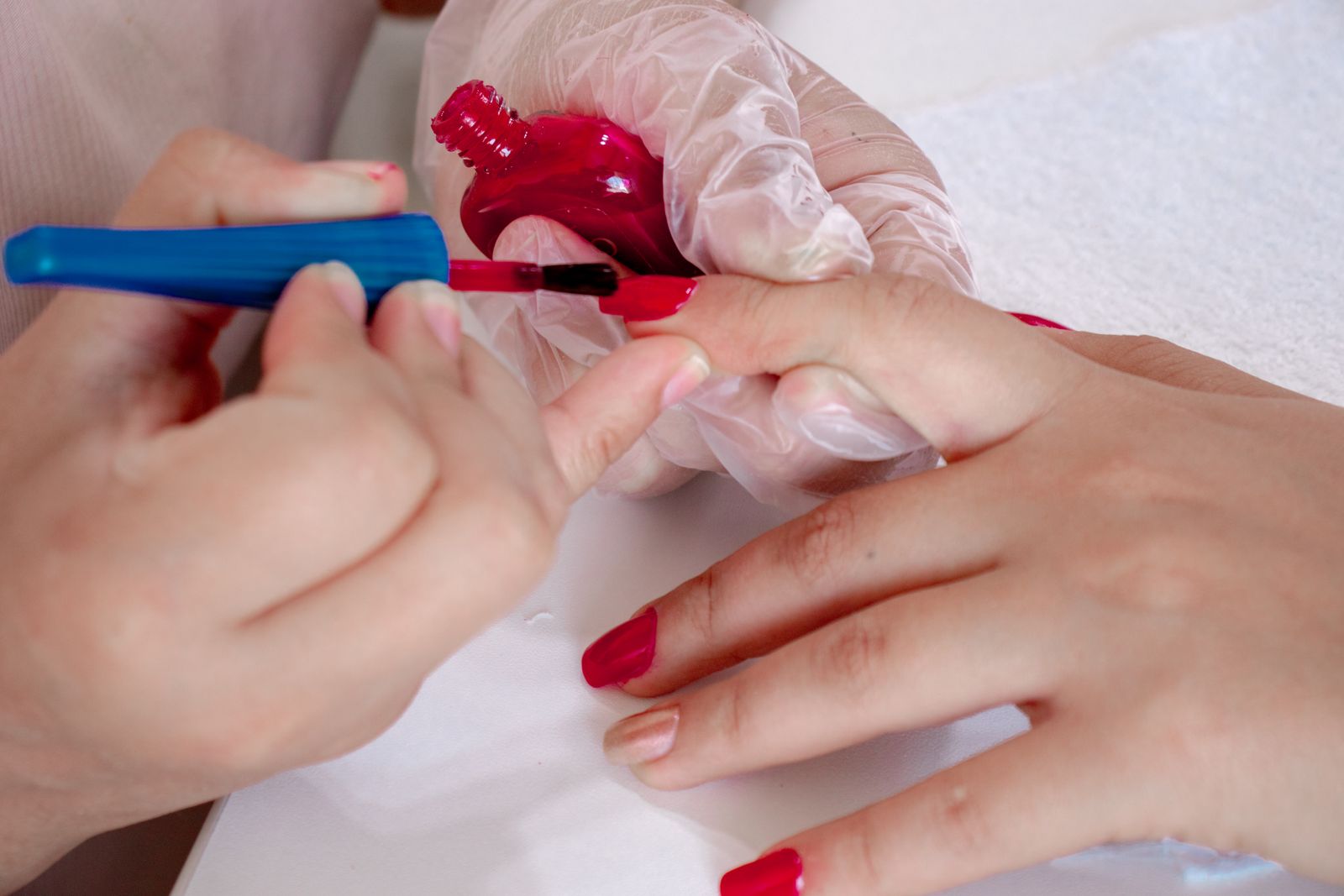
Summer feet: the visible season
Summer problems are surface problems, mostly. Callus builds fast when feet meet hot pavement, gravel driveways, and pool concrete barefoot, and it builds unevenly, which is where the trouble starts: a thick ridge under the heel or ball of the foot changes how pressure lands. Pedicures in summer are about keeping that growth even and smooth, keeping toenail length in the window where shoes and stubbed toes do not cause damage, and catching the itchy, peeling skin between toes early, when athlete's foot is a pharmacy fix instead of a saga.
Winter feet: the hidden season
Winter problems are neglect problems. Boots and heated indoor air dry heels until the callus that protected them in July splits in January, sometimes deeply enough to hurt with every step. Toenails keep growing under socks nobody inspects, and old polish from fall can hide thickening or discoloration for an entire season. The winter prescription at M.C. Nails is unglamorous: keep coming in. A basic pedicure every five or six weeks, polish optional or skipped entirely, heels moisturized at home, and one honest look at bare nails each visit. That rhythm costs less effort than the spring rescue most people end up needing.
Callus and dry heels: the year-round thread
Callus is protection your feet built on purpose, so the goal is never to remove it, only to keep it smooth, even, and flexible. Dryness is what turns protection into a problem: a dry, thick heel cracks at its edges like dry ground. The combination that works in every season is professional smoothing on a schedule plus home moisture between visits, ideally right after a shower when skin is soft. Pumice work at home is fine maintenance; aggressive blades and graters are how people end up sore or cut, and salons should not be using blades on you either.
When a season problem is not seasonal
Some things should not wait for the calendar: a heel crack that bleeds or will not close, redness or itching that spreads, a toenail turning thick, dark, or lifting, and any foot wound at all for someone with diabetes or circulation problems. Those are medical, in any month. Everything else on this page is maintenance, and maintenance is cheapest, in effort and discomfort, when it happens before the season turns.
Common questions
Do I really need pedicures in winter if nobody sees my feet?
Your heels think so. Winter is when cracks form and nail problems hide, so a basic maintenance rhythm matters more than the polish you skip.
How do I stop heel cracks before they split?
Moisturize heels nightly once the air dries out, and get callus smoothed professionally before edges start catching on socks. Cracks are prevented in fall, not fixed in January.
Is athlete's foot a salon problem?
No. A technician may spot the signs and tell you, but treatment is pharmacy or medical. Do not book a pedicure over active, itchy, peeling skin between the toes.
Photos in this guide are representative stock images.
← All guides from M.C. Nails← Back to M.C. Nails